Blogs
Top Blogs
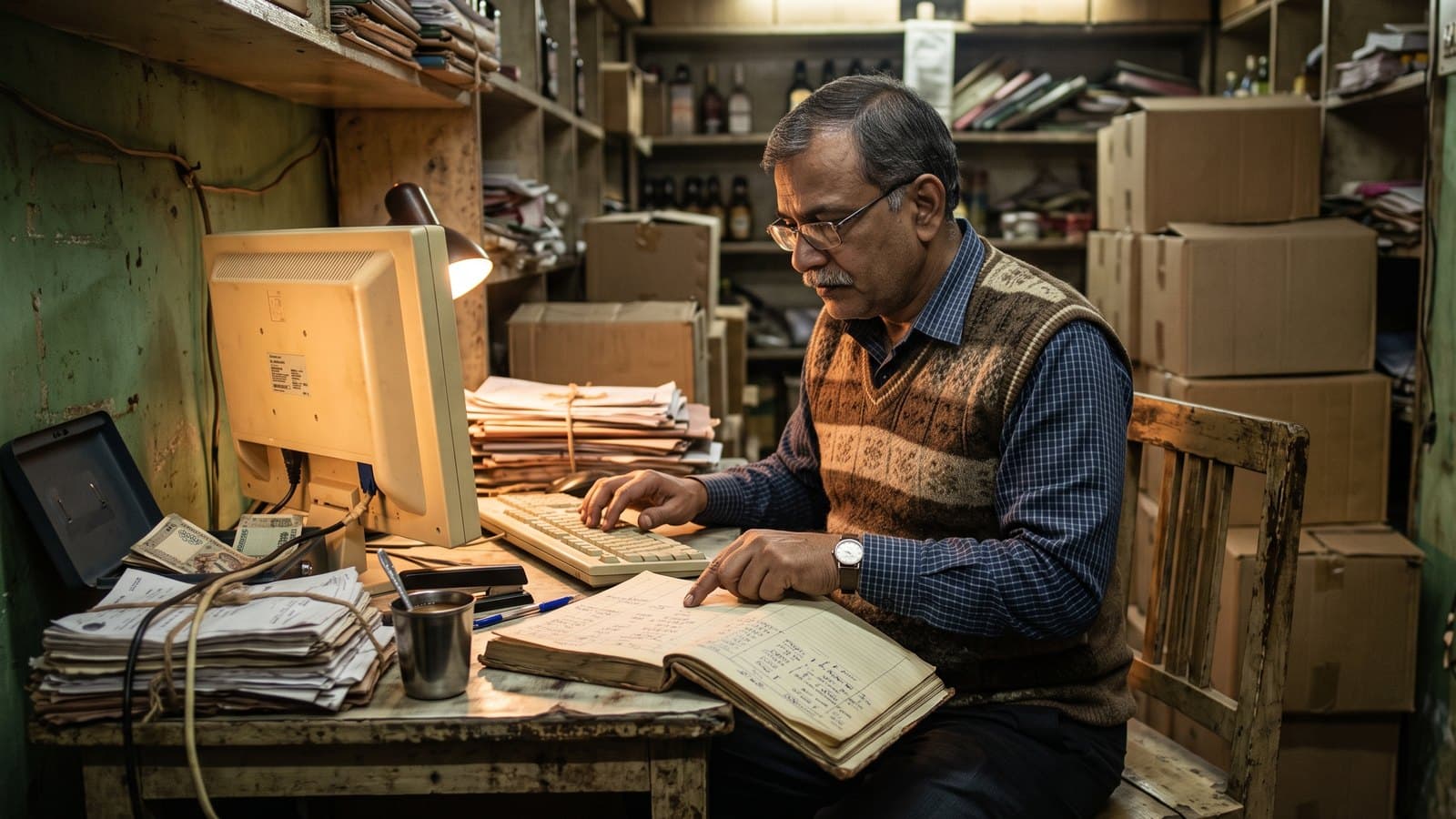
Wine Shop Accounting in Tally: A 2026 Guide for UP and Haryana
How wine shop accounting in Tally works, where it breaks, and how a Tally-ready export from your billing ends the accountant's day of typing.
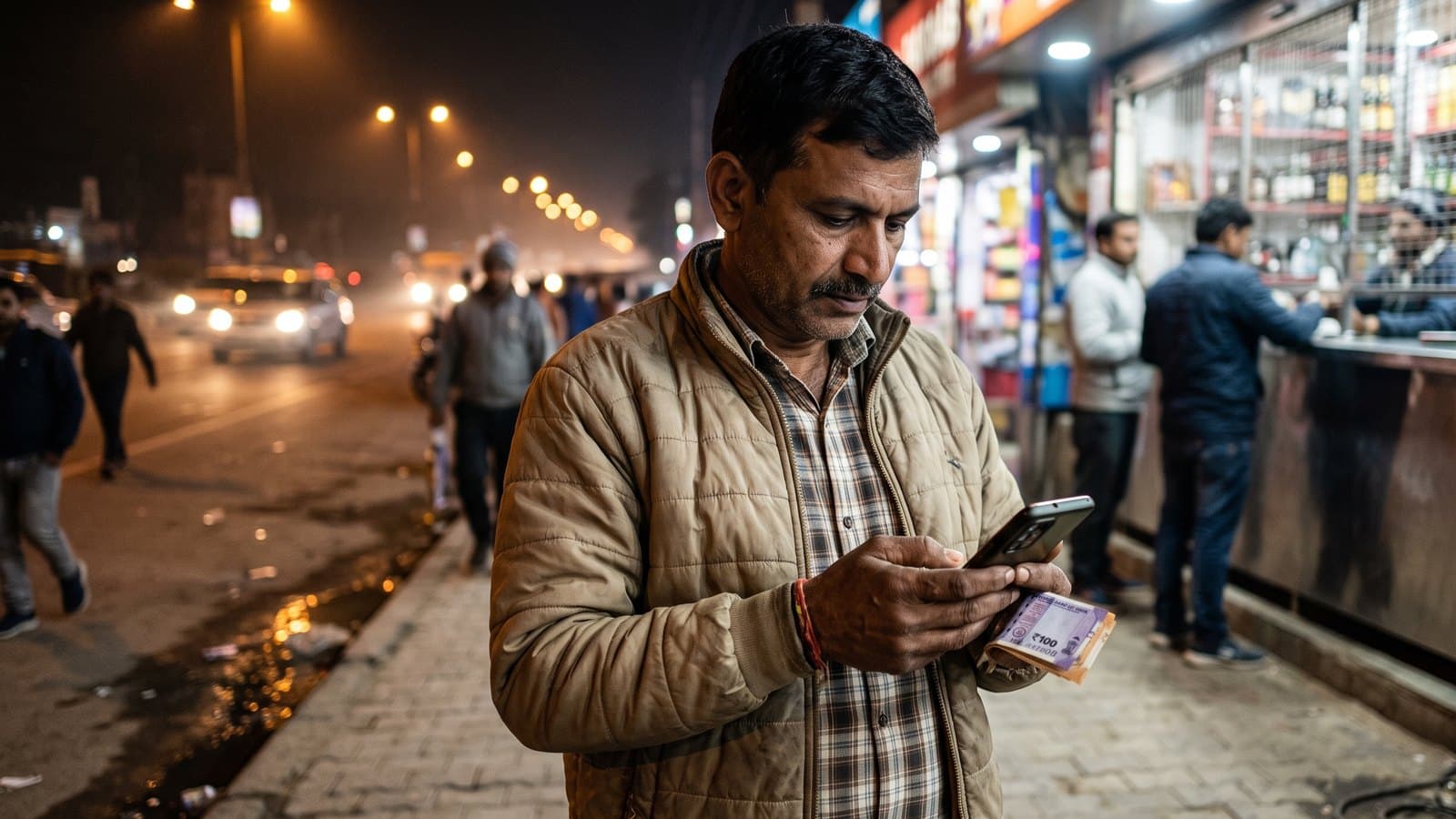
Haryana Excise Policy 2026-27: What L-2 and L-14A Owners Must Know
The Haryana excise policy 2026-27 is the second half of the 2025-27 policy. The quota, hours, records and penalties your vends face for the rest of this year.
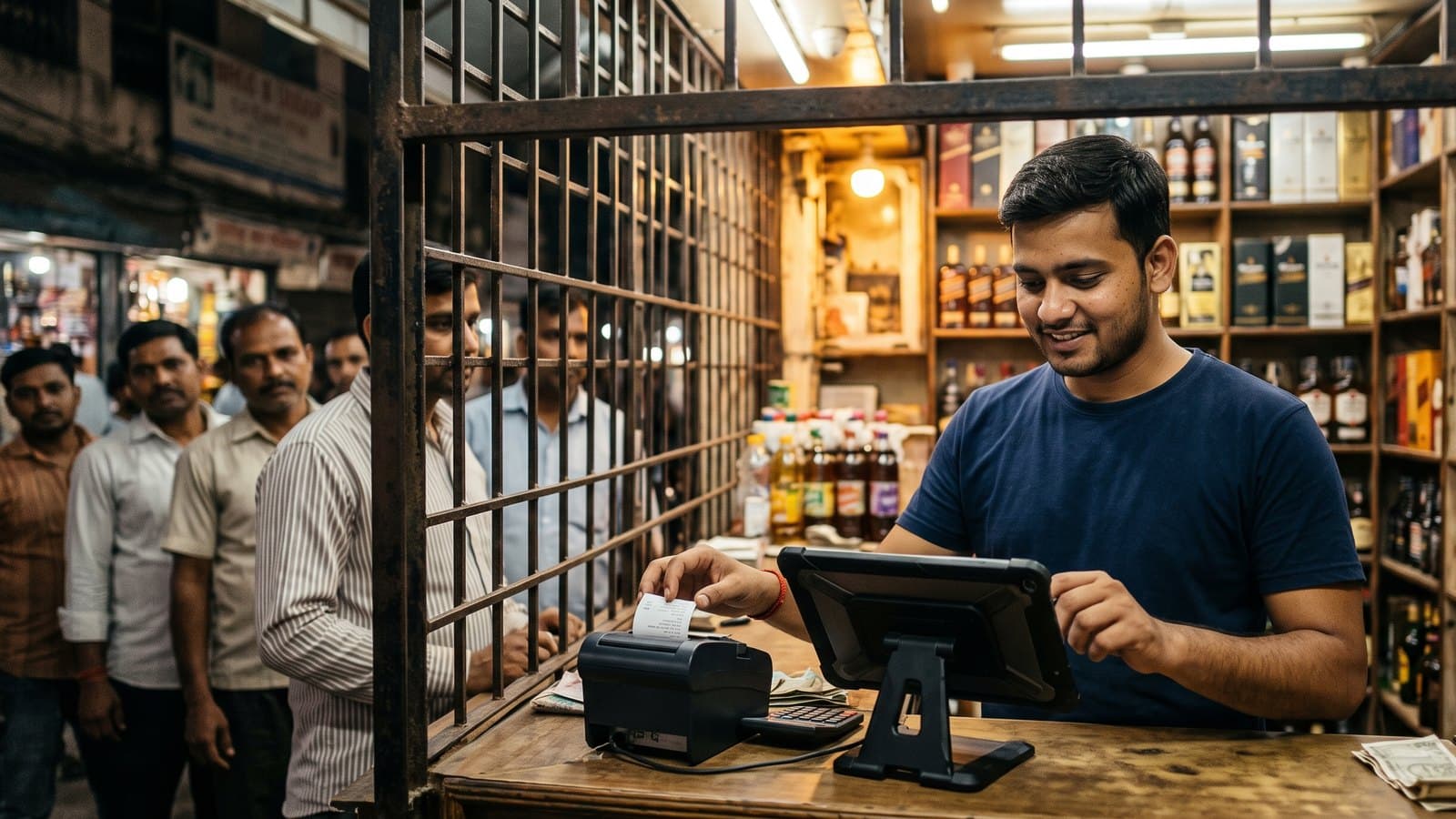
Wine Shop Billing Machine 2026 Guide for UP and Haryana Shops
Pick the right wine shop billing machine for your counter. Compare a POS box, a PC and an Android tablet on cost, rush-hour speed and offline billing.
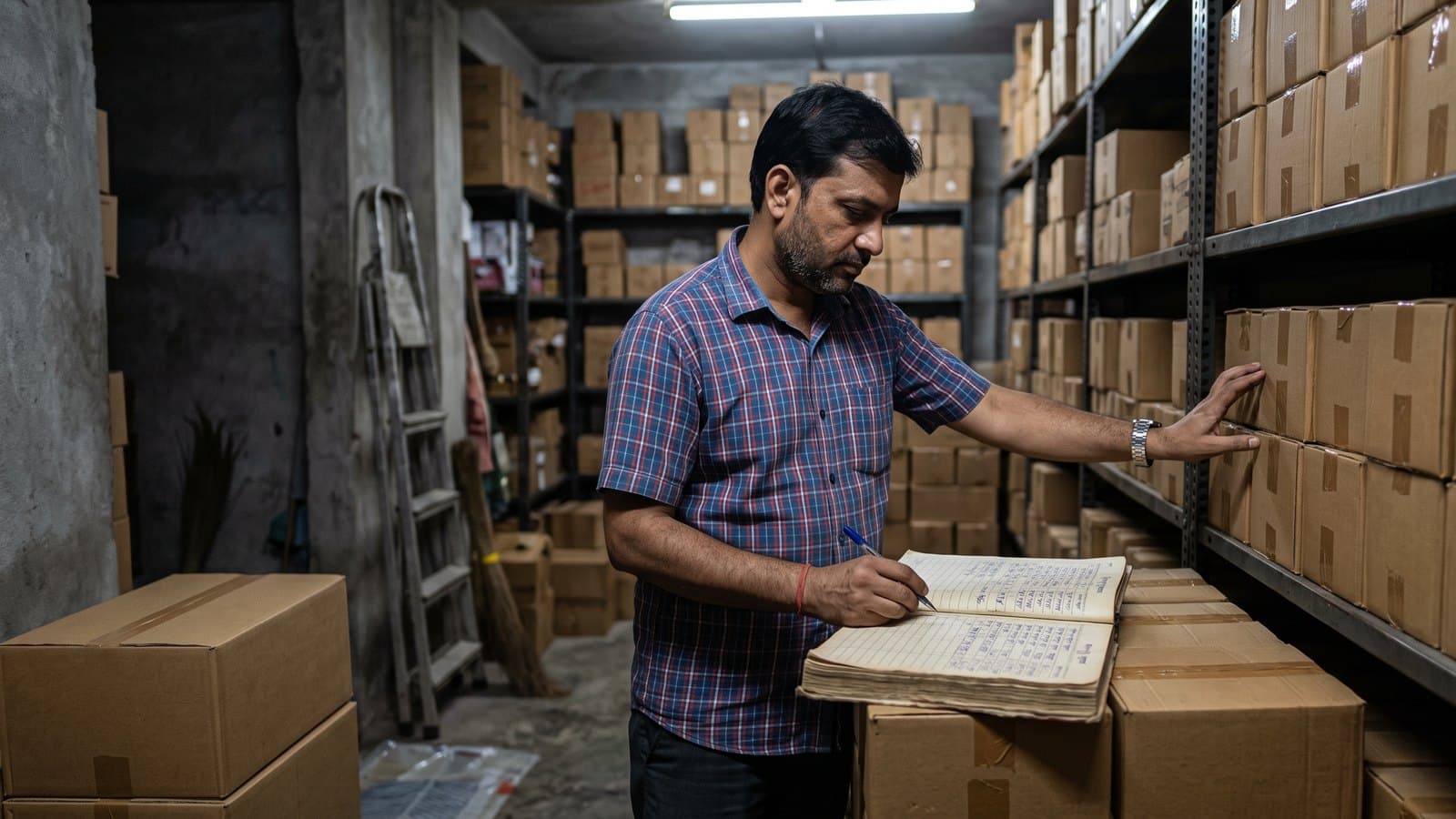
Wine Shop Stock Register Format for UP and Haryana Shops (2026)
A clear wine shop stock register format for UP and Haryana liquor shops, how often to update it, and how to keep it matched to the stock on your shelf.
UP Excise Portal Login 2026: What Every Shop Licensee Files
A UP excise portal login guide for theka, model and composite shop owners: the right site, what to file daily and monthly, and how to stop double entry.
What Security Features Should a Bottle Shop POS Have? Complete Guide for Indian Liquor Retailers (2026)
If you are evaluating a POS system for your wine shop or liquor store, security is not a secondary feature — it is a core requirement.
How to Stock a New Wine Shop in India: First Order Guide for New Retailers (2026)
Your first order is the most consequential inventory decision you will make.
How to Manage Your Wine Shop During Diwali and Festive Season (2026)
Diwali is the second-biggest revenue window of the year for Indian wine shops, after wedding season.
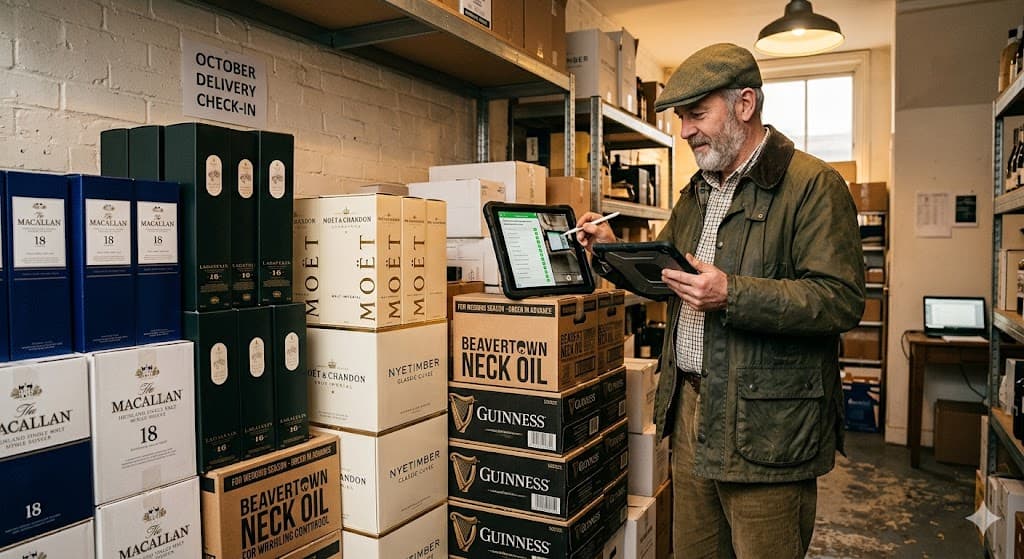
How to Prepare Your Wine Shop for Wedding Season (2026)
India's wedding season runs from November to February — the stores that prepare in October have their best months.
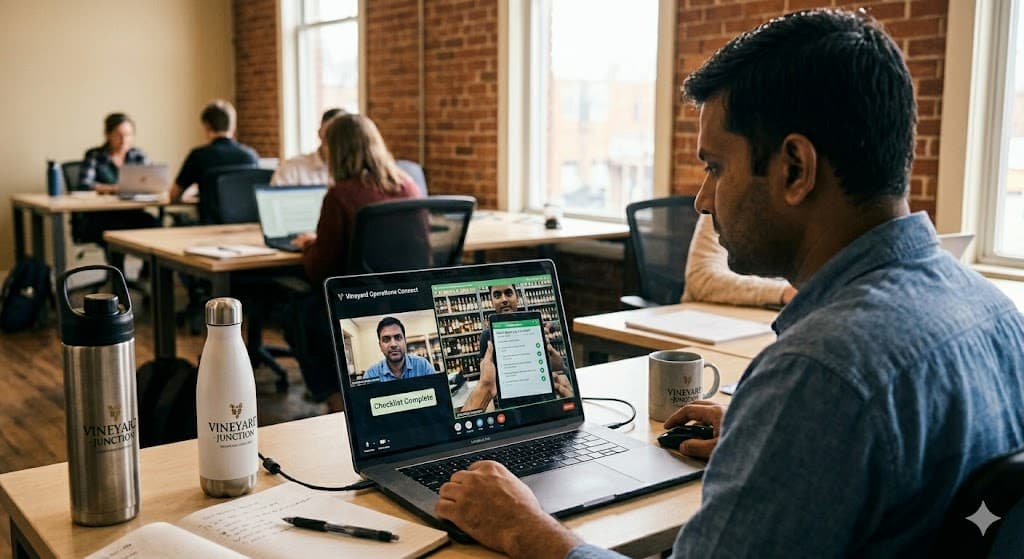
How to Standardise Operations Across a Liquor Chain in India (2026)
The moment you have more than one store, you have an operations problem. Every manager runs things slightly differently.
More Blogs
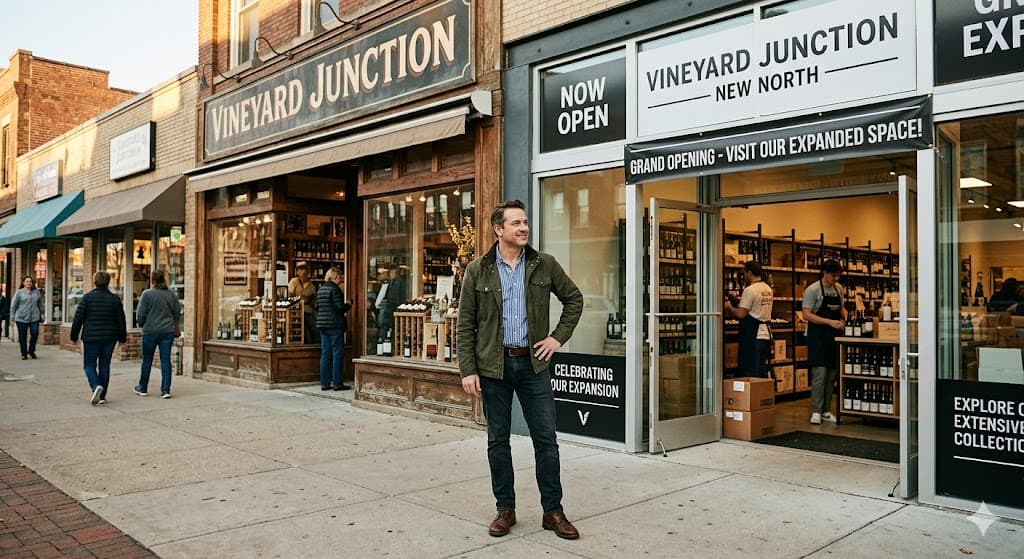
Liquor Store Chain Management: What Changes When You Go from 1 to 10 Stores in India (2026)
The move from one wine shop to ten is one of the hardest transitions in Indian retail.
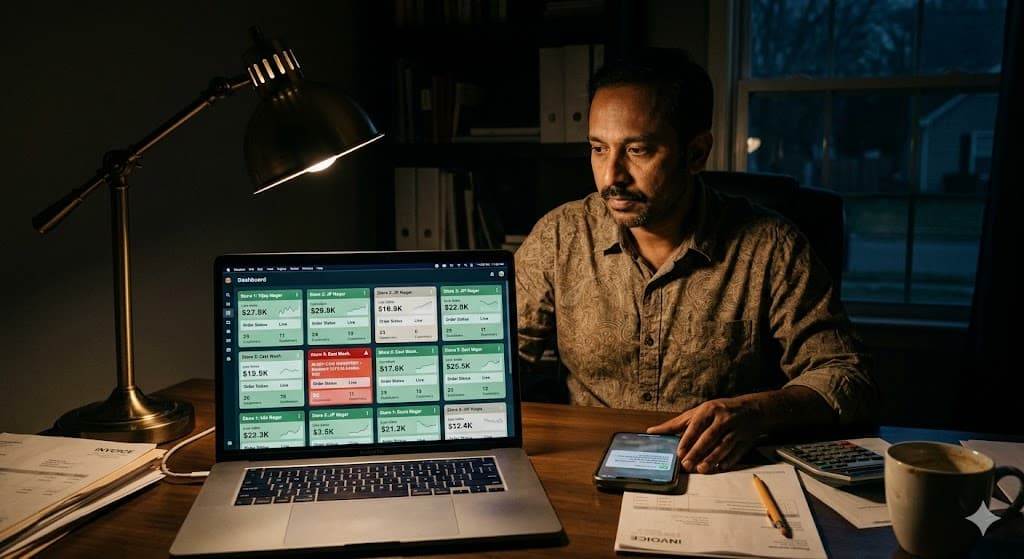
How India's Largest Liquor Chains Manage 100+ Stores Without Losing Control (2026)
Running one liquor store is hard. Running five — or fifty — without the right system is a different kind of problem entirely.
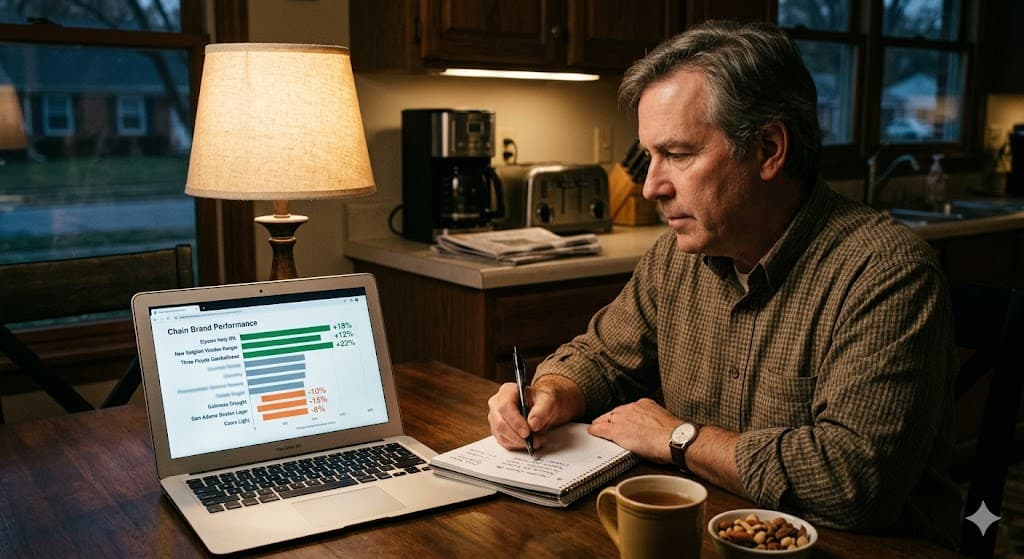
How to Read Your Wine Shop Sales Data and Make Better Buying Decisions (2026)
Most wine shop owners know their store is doing okay or slow this month — very few know specifically which brands are growing.
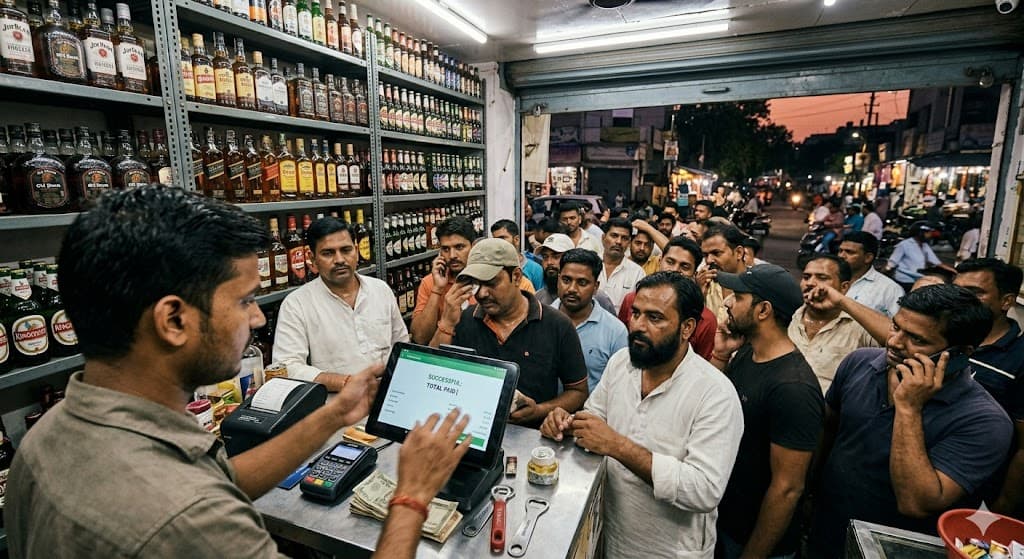
Rush Hour Billing in Wine Shops: How to Serve More Customers Between 6-10 PM (2026)
Every wine shop in India has the same 4 hours. 6 PM to 10 PM. This is when 60-70% of your daily revenue happens.
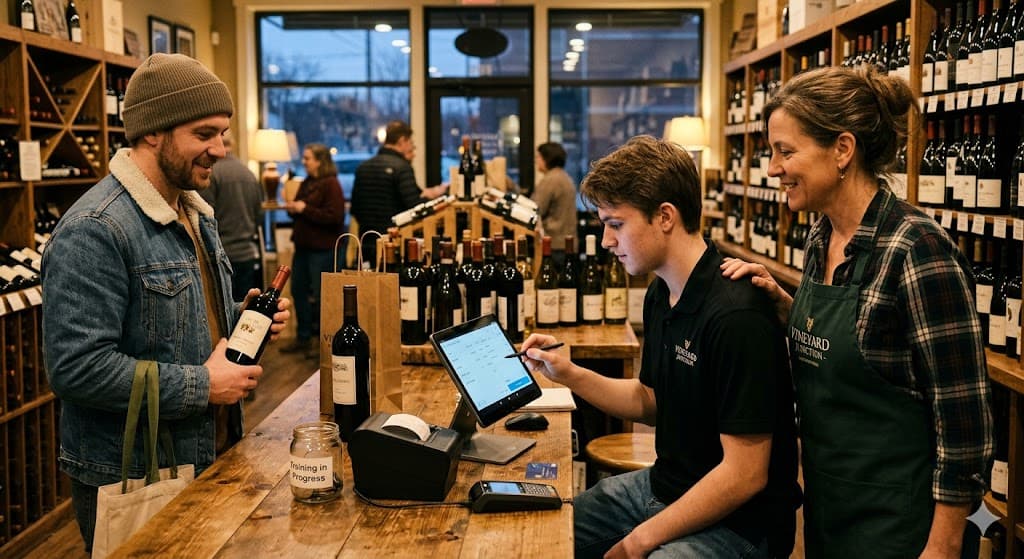
How to Train Wine Shop Staff: Billing, Stock, and Compliance (2026)
Untrained staff in a liquor store costs money in three ways: slow billing, stock errors, and cash handling mistakes.
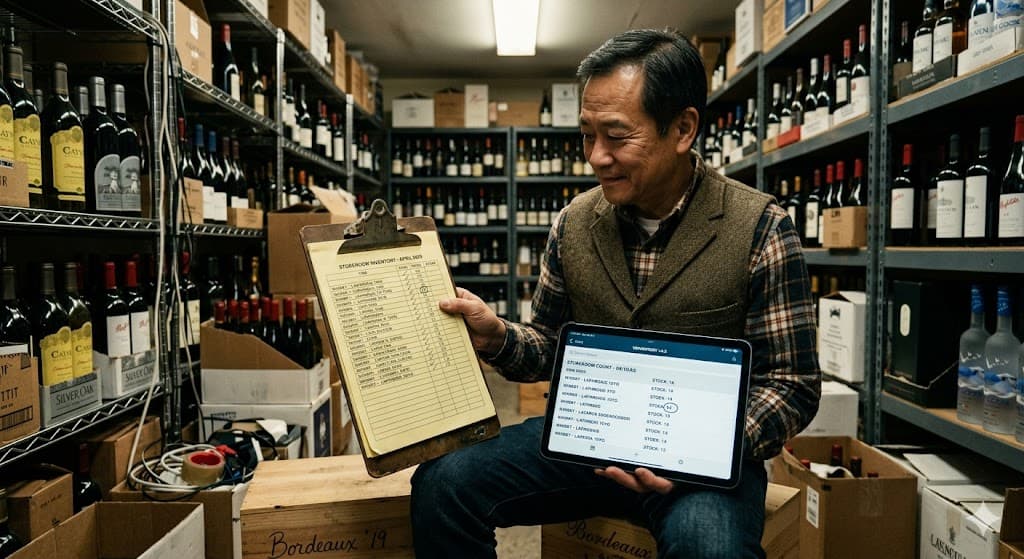
Wine Shop Inventory Management: The Complete Guide for Indian Retailers (2026)
Inventory is where most liquor store money is made or lost — not at the counter, but in the storeroom and in the ordering decisions.
How to Reduce Out-of-Stock in Your Wine Shop (And Never Lose a Customer Again)
The customer you lose to an out-of-stock item rarely comes back.
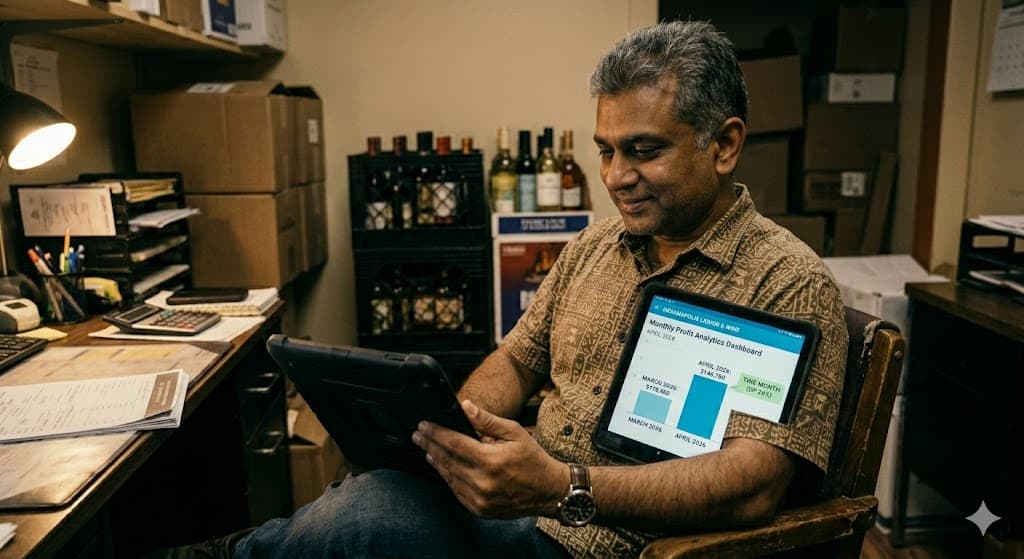
Wine Shop Ka Profit Kaise Badhayein: 7 Practical Tips 2026
Agar aapka store chal raha hai lekin month end mein paisa nahi bach raha, toh problem stock mein, cash mein, ya operations mein hai.
Distributor Se Deal Kaise Karein: Wine Shop aur Theka Owners Ke Liye Practical Tips 2026
Distributor relationship ek wine shop ke profit margin ka ek hidden lever hai.
Excise Inspector Aaye Toh Kya Karein: Har Wine Shop Owner Ka Guide 2026
Ek din aap shop mein ho, aur excise officer aa jaaye — bina kisi advance notice ke.
Wine Shop Mein Staff Kaise Manage Karein: Theka aur Wine Shop Owners Ka Practical Guide 2026
Wine shop ya theka mein ek bhi galat staff hire karo — ya unhe sahi se manage na karo — toh nuksaan directly cash mein dikhta hai.

Theka Kaise Khole: UP Mein Liquor Shop Kholne Ka Complete Guide 2026
UP mein theka kholna ek profitable business hai — lekin yeh utna simple nahi hai jitna dikhta hai.
VasyERP vs BottleShop: Which Is Better for Indian Liquor Stores in 2026?
Both VasyERP and BottleShop appear when you search for wine shop or liquor store software in India. They are not the same kind of product.
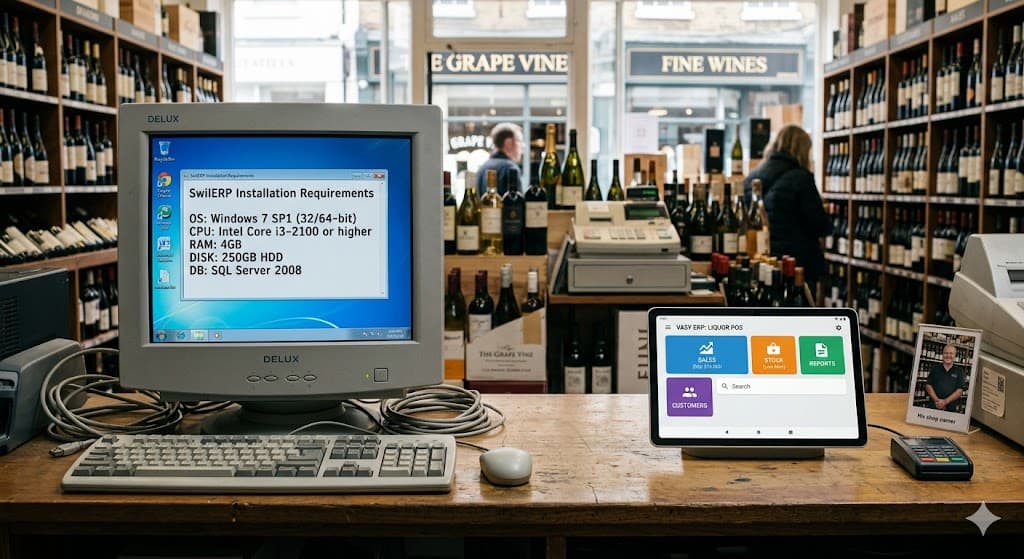
SwilERP Wine Shop Software: Honest Review for Indian Liquor Retailers (2026)
SwilERP — formerly known as RetailGraph — is a Windows-based retail software that includes a liquor store module.
VasyERP Wine Shop Software: Honest Review for Indian Liquor Retailers (2026)
VasyERP is one of the most aggressively marketed retail ERP platforms in India — here is what you actually get.
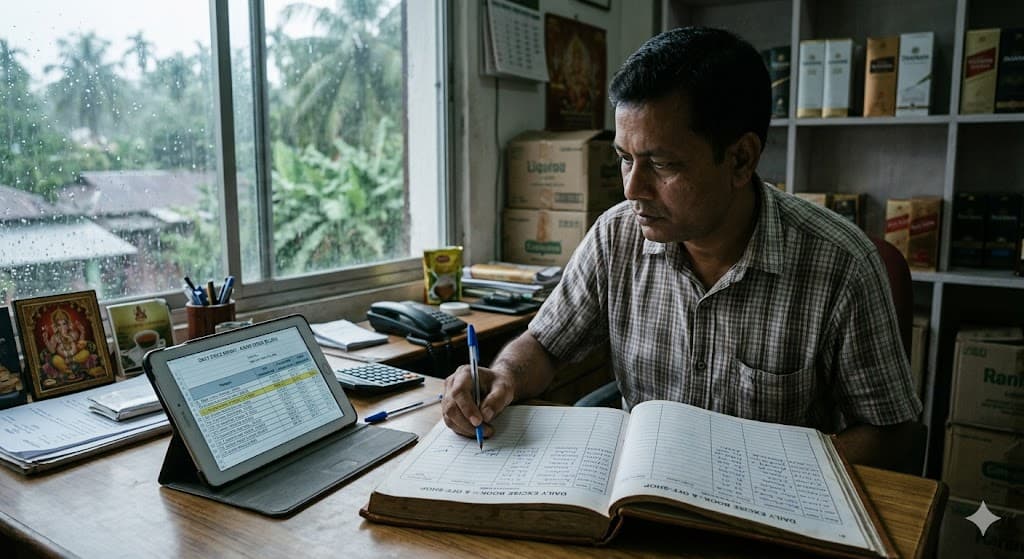
Assam Wine Shop Compliance in 2026: Daily Excise Book, BL/LPL Reports, and How to Stay Audit-Ready
Assam has one of the most documentation-intensive excise compliance systems for liquor retailers in India.
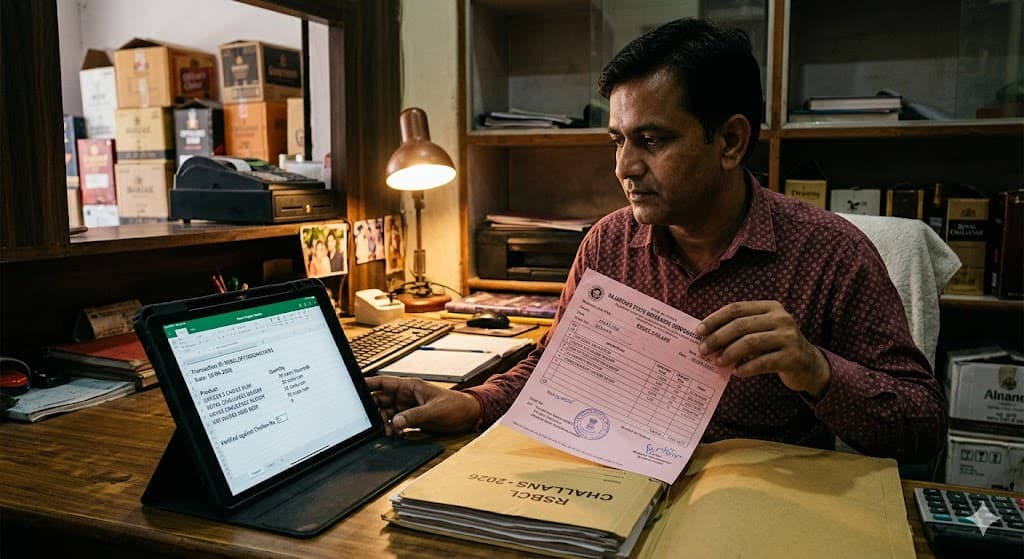
Rajasthan Wine Shop Compliance in 2026: What Every Licensee Must File Every Month
Rajasthan's excise system under the 2025-29 policy is more structured than ever. RSBCL controls all IMFL wholesale supply.
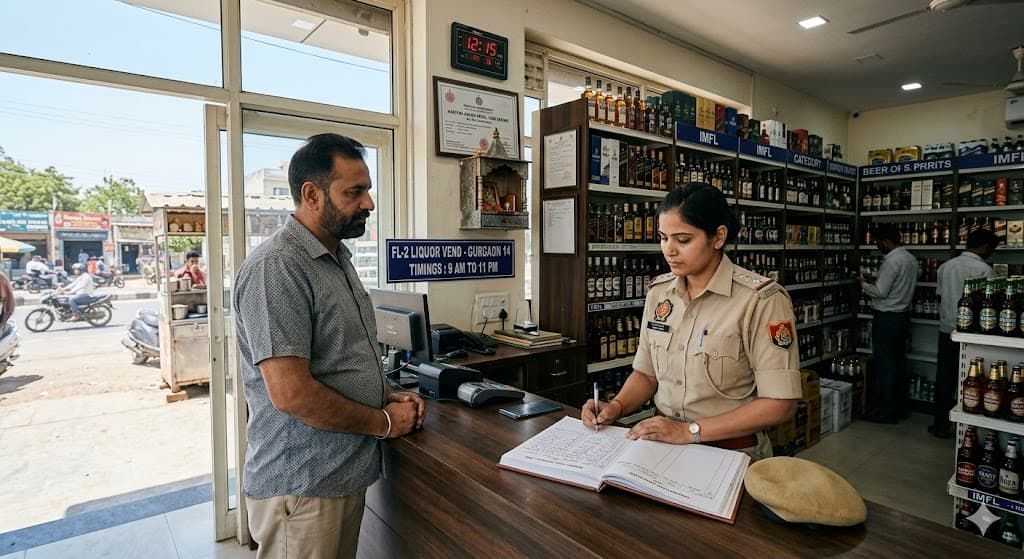
Haryana Wine Shop Compliance in 2026: What Every L-2 and L-14A Operator Must Know
Getting a liquor vend license in Haryana is one thing. Running it compliantly for the entire policy year is another.
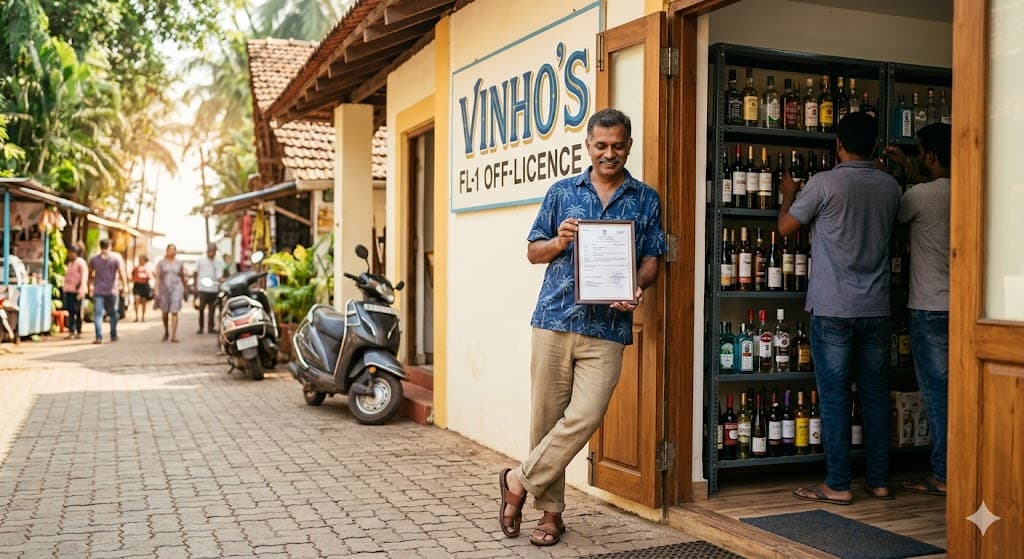
Wine Shop License in Goa 2026: Complete Guide for Off-Licence and Retail Operators
Goa has one of India's most liberal liquor retail environments — and one of the highest per-capita alcohol consumption rates in the country.
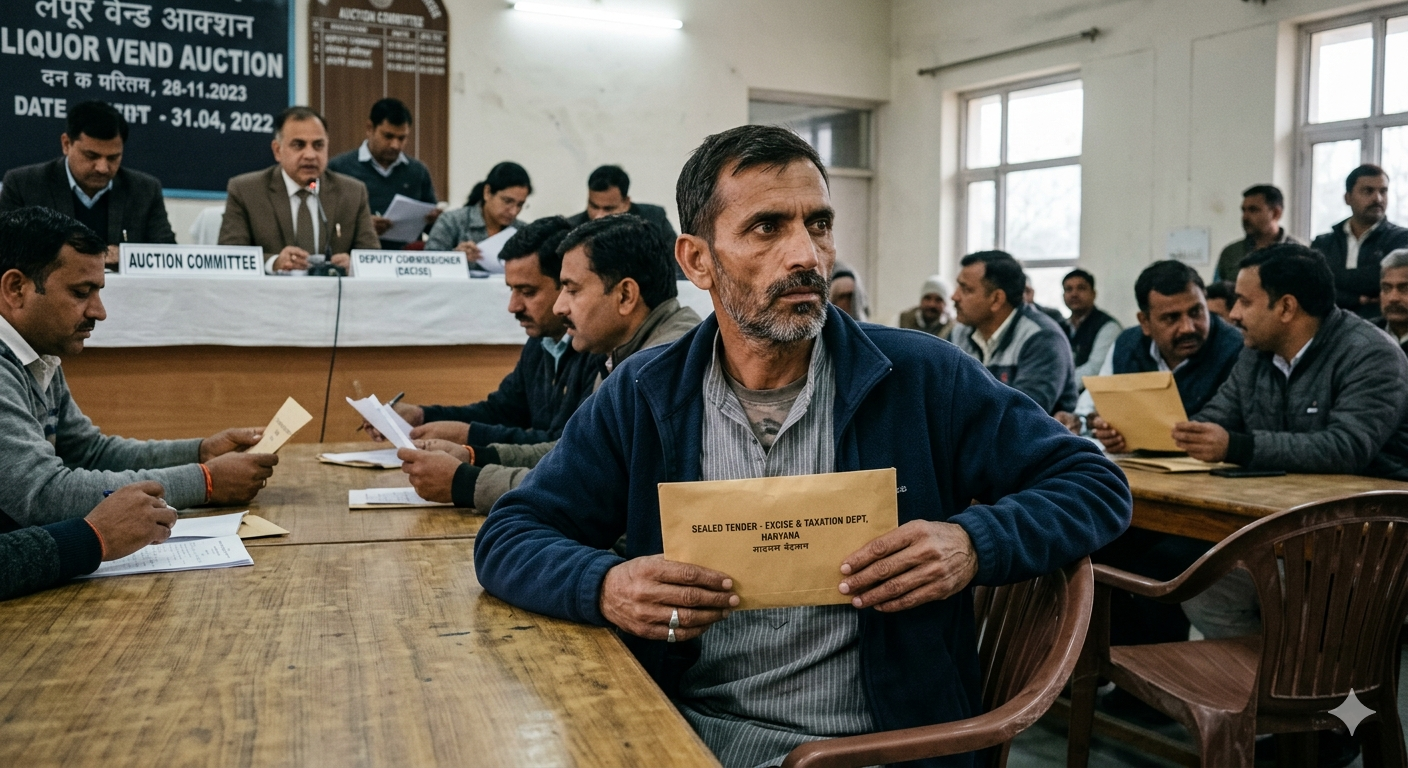
Wine Shop License in Haryana 2026: Complete Guide (L-2, L-14A, Auction Process, Compliance)
Haryana's liquor retail system is one of the most structured in India — and its current excise policy runs through March 2027.

Wine Shop License in Maharashtra 2026: Complete Guide (FL-II, CL-III, Documents, Process)
Maharashtra is India's second-largest state by liquor consumption and one of the most complex excise environments for retail licensing.
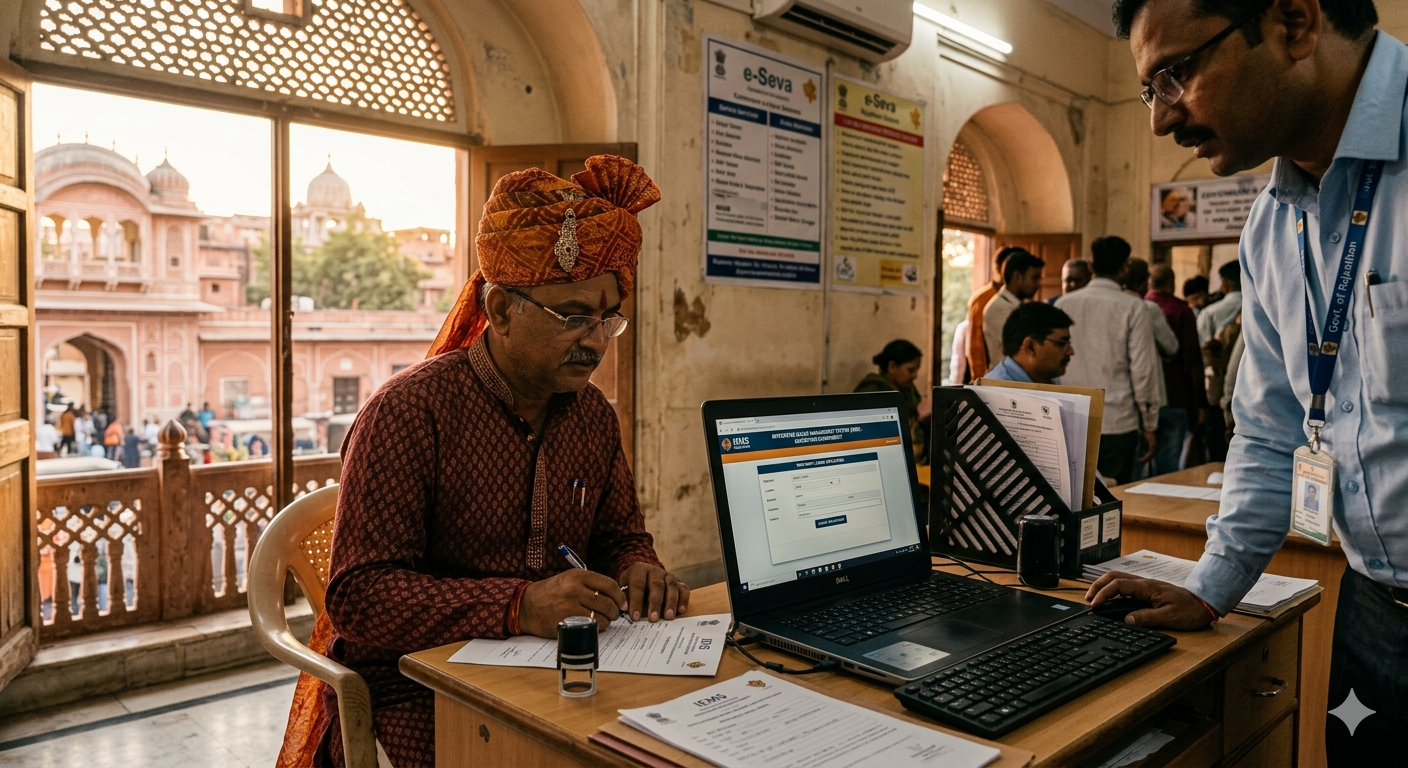
Wine Shop License in Rajasthan 2026: Complete Guide (Eligibility, Documents, Cost, Process)
Rajasthan is one of India's most active liquor retail markets in north India — and its licensing system was just overhauled.
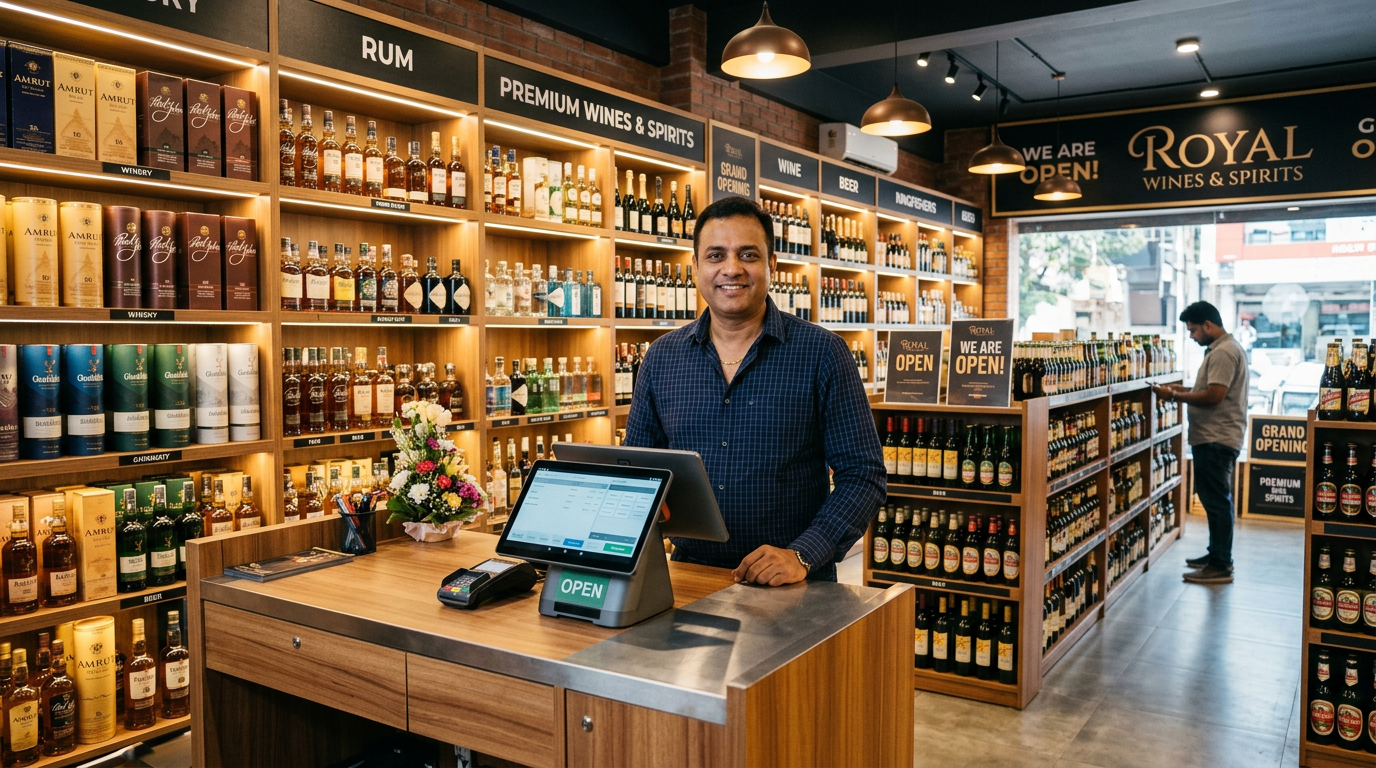
How to Open a Wine Shop in India: Complete 2025 Guide (License, Investment, Operations, Software)
Opening a wine shop or liquor store in India is one of the most profitable retail businesses you can set up — but it is also one of the most regulated.
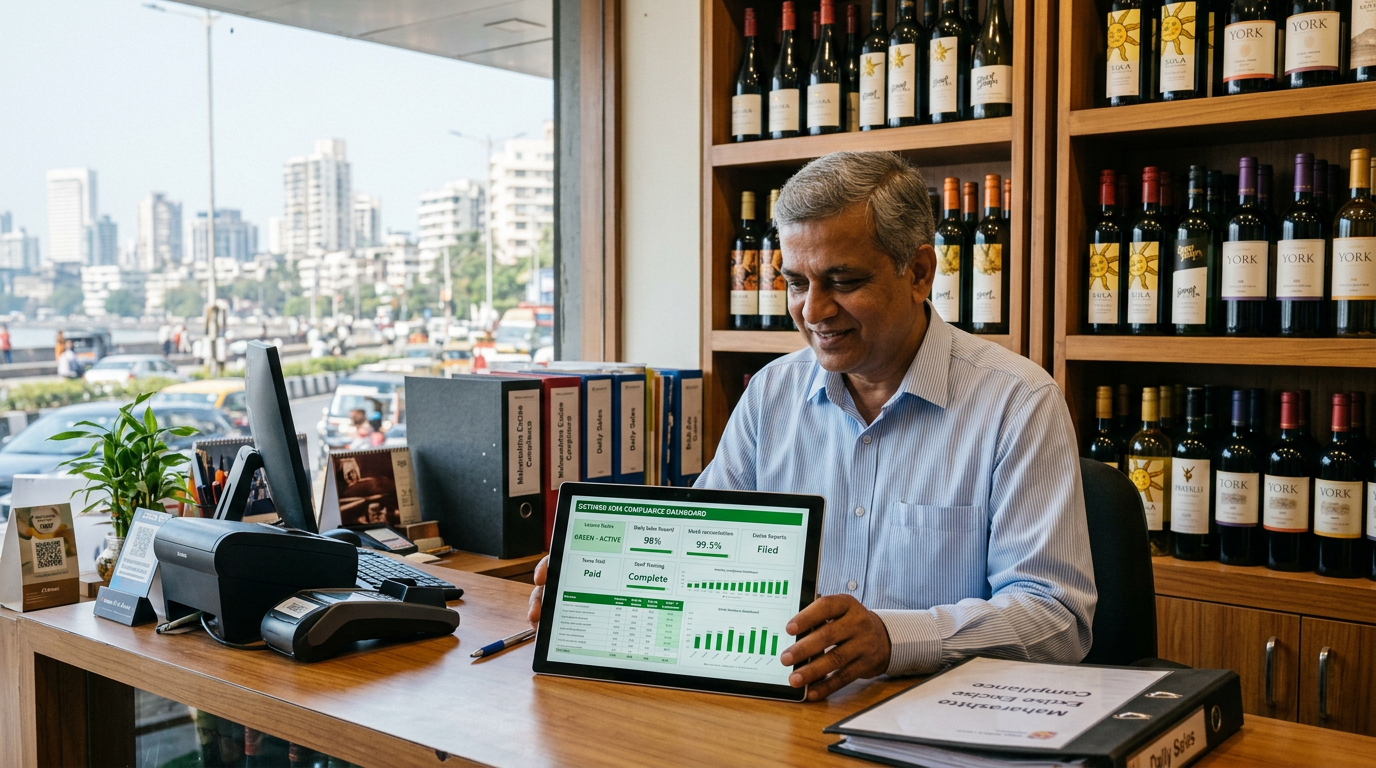
Maharashtra SCM Report for Wine Shops: What It Is, How to File It, and How to Never Stress About It Again
If you run a wine shop, CL shop, or liquor retail outlet in Maharashtra, SCM — Stock Control Management — is one of the most important compliance requirements you deal with every month. Most store owners either do it manually, get it done by an accountant, or quietly dread month-end.
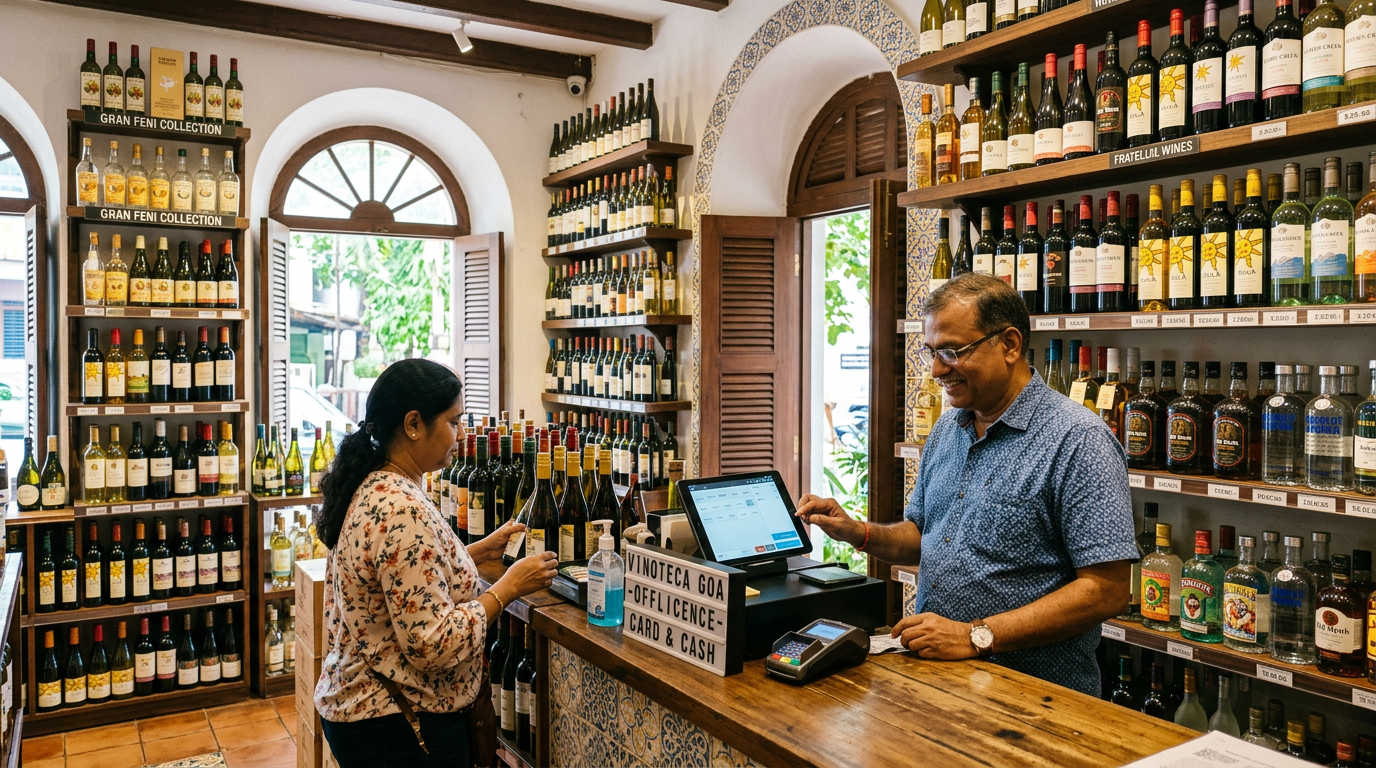
Goa VAT for Wine Shops: What Every Liquor Retailer Needs to Know (2025)
Goa is one of India's most active liquor retail markets — driven by tourism, a large hospitality sector, and some of the highest per-capita alcohol consumption in the country. If you run a wine shop, off-licence, or liquor retail outlet in Goa, VAT compliance is a core part of your monthly operations.
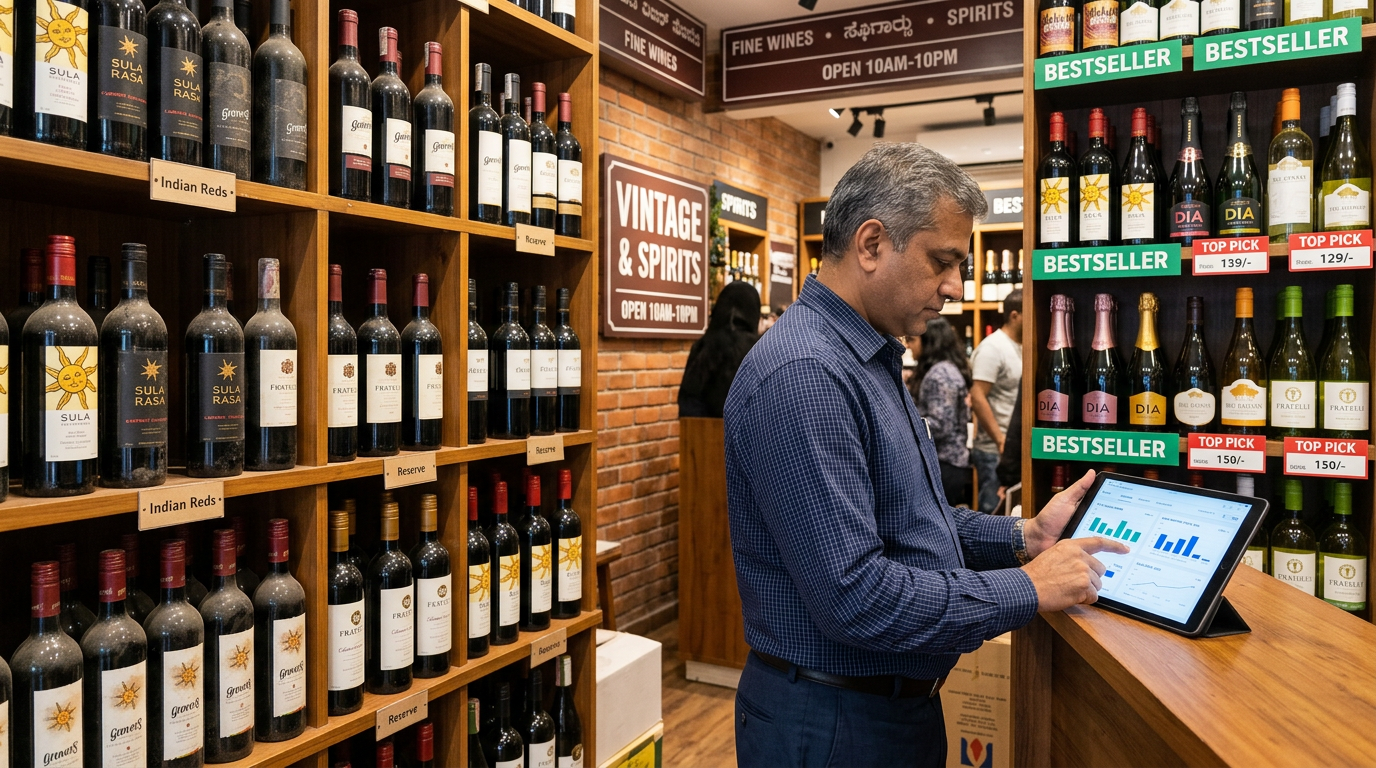
Wine Shop Mein Dead Stock Kaise Kam Karein (Aur Paise Kaise Bachayein)
Kya aapke store mein kuch bottles mahino se shelf par rakh hain? Nahi biki, nahi move ki — bas wahan padi hain?
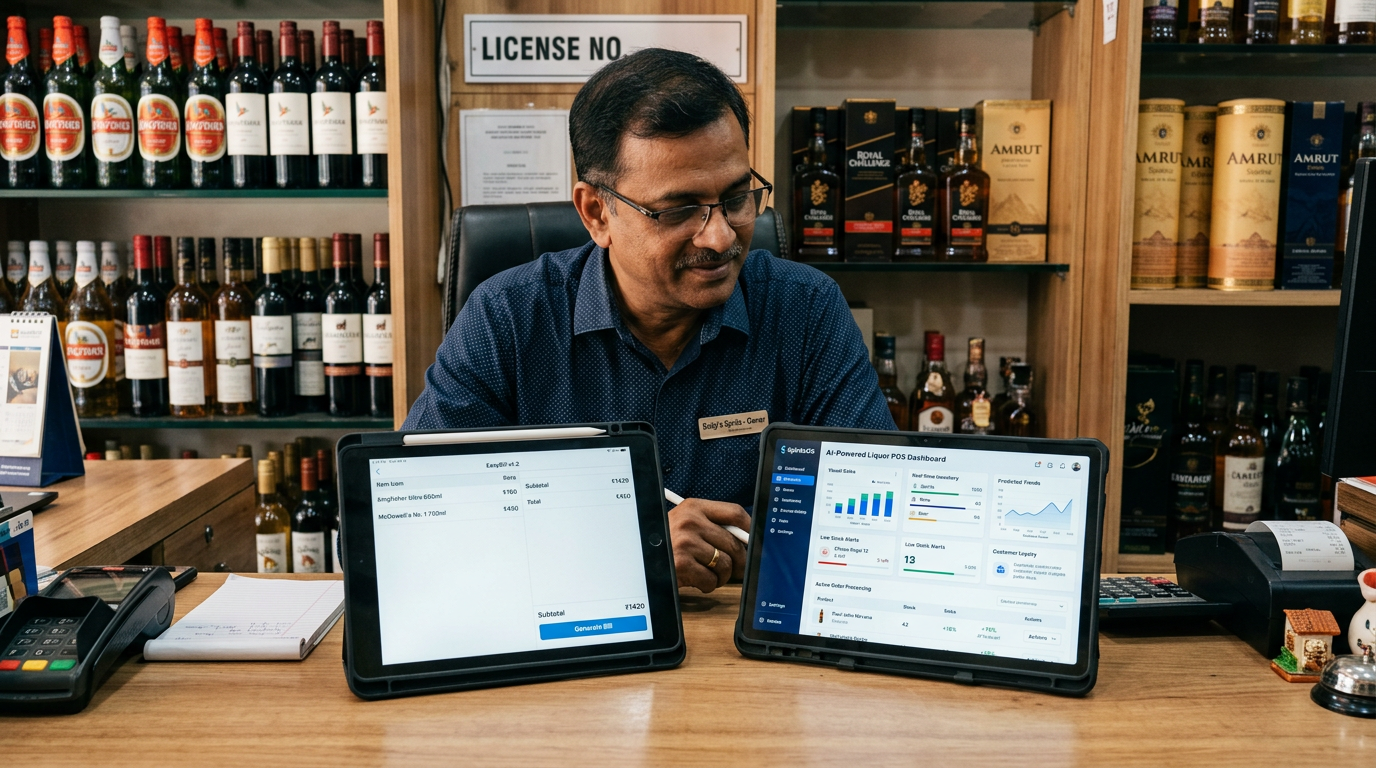
Wine Shop Software Free Download: What You Actually Get (And What You Don't)
"Wine shop software free download" is one of the most-searched terms in this category. And it makes sense — before spending on a subscription, you want to know what the software looks like and whether it works for your store.
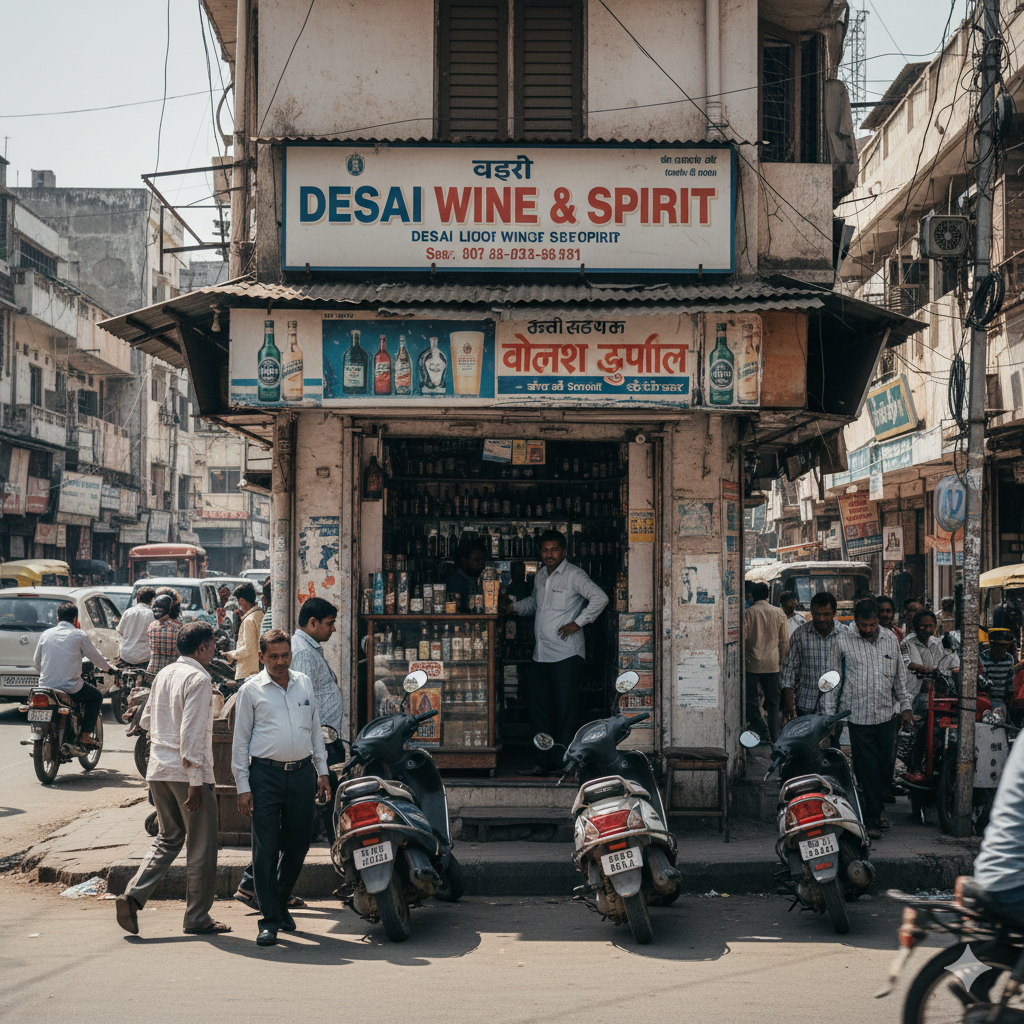
How to Get a Liquor Store License in India (Process, Cost, and Retail Formats Explained)
If you’re planning to open a liquor store in India, the first legal step is getting a retail liquor license. Liquor licensing in India is governed by state excise departments, which means the rules, formats, fees, and timelines vary from state to state.
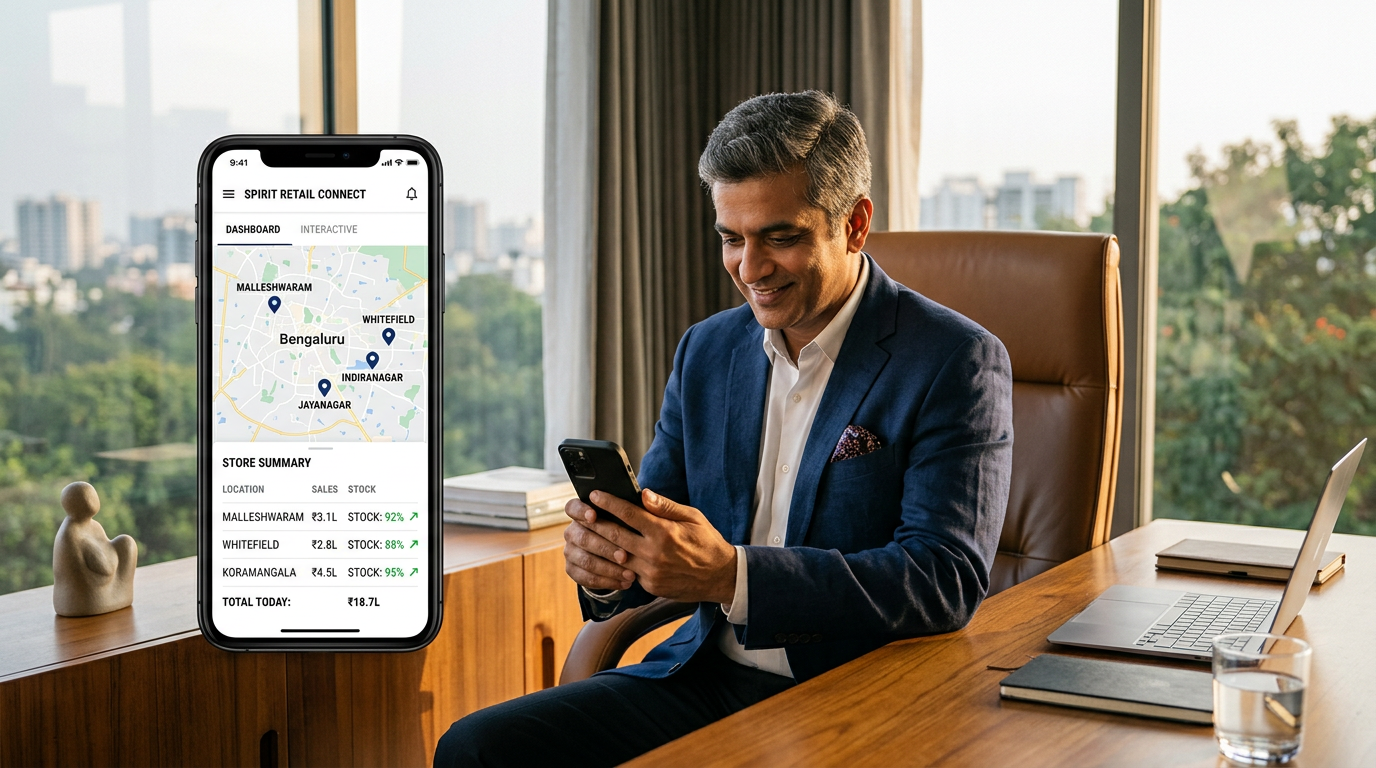
How to Manage Multiple Wine Shops or Liquor Stores from One Place (2025)
Running one liquor store is hard. Running five — or fifty — without the right system is a different kind of problem entirely.
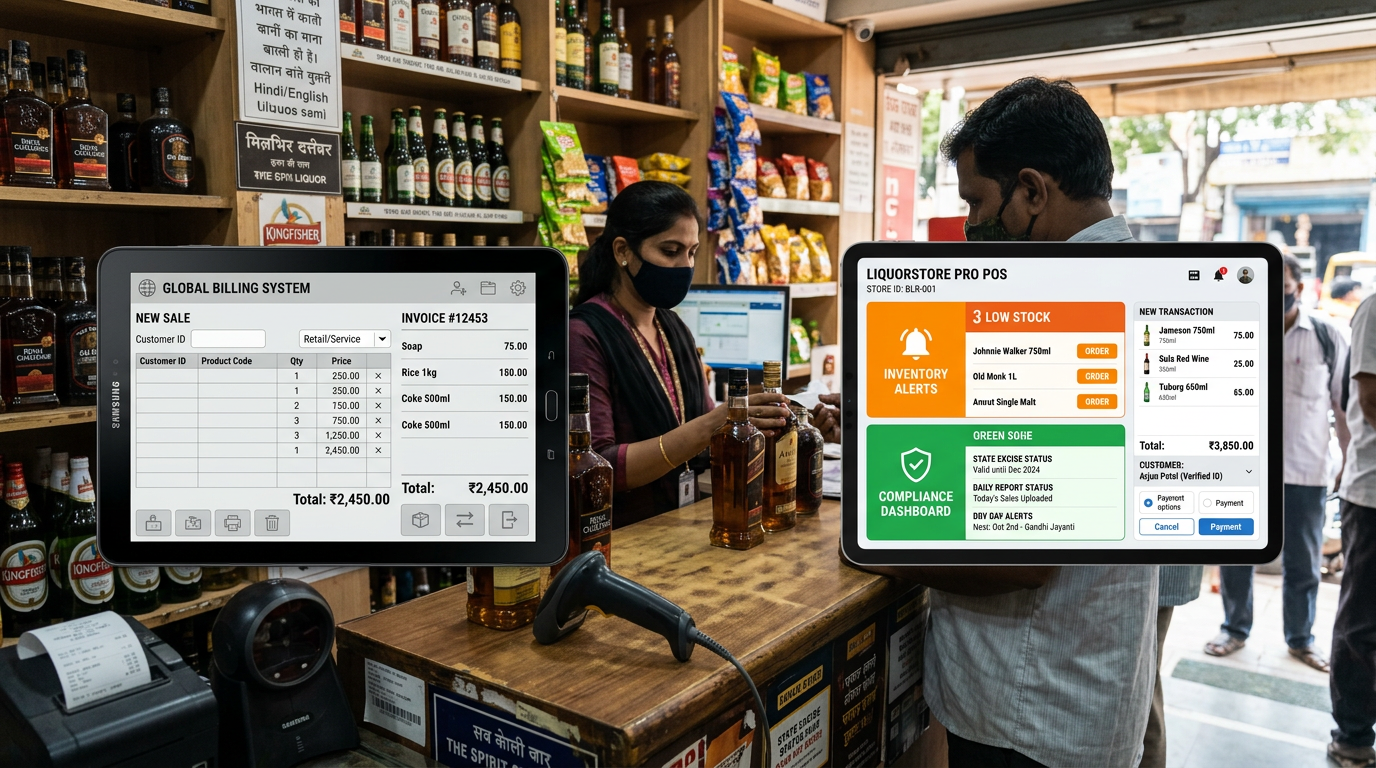
BharatERP Wine Shop Software: Honest Review for Indian Liquor Retailers (2025)
BharatERP appears frequently when you search for wine shop software in India — particularly because of their free download offering and their state-specific compliance pages. If you are evaluating it for your liquor store, this review tells you exactly what you are getting.