Effective Inventory Management for Seasonal Demand in Liquor Stores with BottleShop
Published By: Jatin Monga (CEO) on 13 Apr 2026
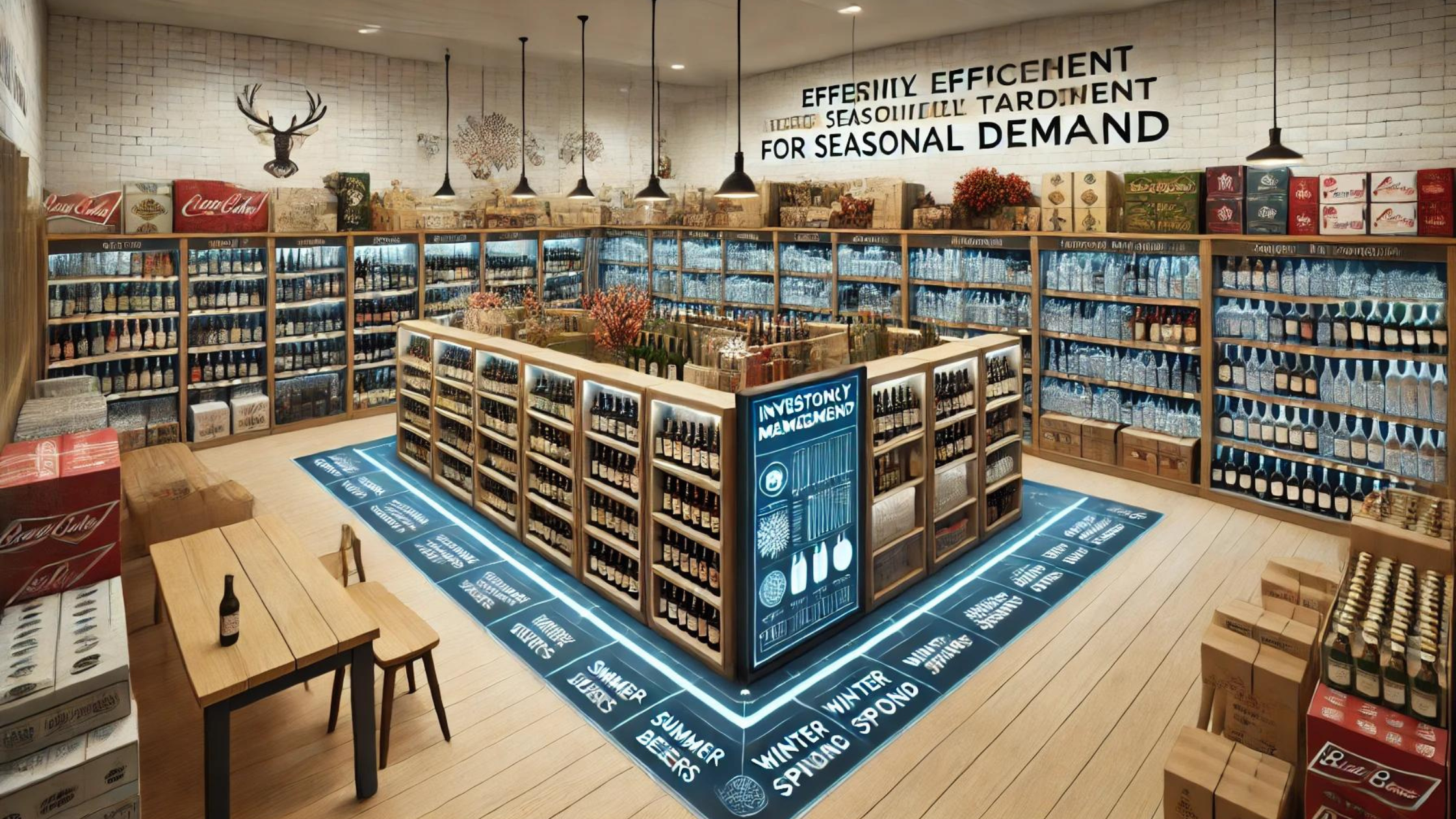
Introduction:
Effective inventory management is crucial for liquor store owners, especially given the seasonal nature of alcohol consumption. Whether preparing for festive spikes during Diwali and New Year or catering to summer recreational demand, understanding and adapting to these fluctuations is key to maintaining profitability and customer satisfaction. BottleShop offers advanced tools that enable store owners to navigate these challenges seamlessly.
Understanding Seasonal Demand
In the liquor retail industry, demand can vary significantly throughout the year. For example, whiskey sales might spike in the winter, while cooler drinks like beer might be more popular during the summer. Recognizing these patterns is the first step towards managing inventory more effectively.
Challenges of Seasonal Inventory Management
The primary challenges during peak seasons include:
- Overstocking: Risk of unsold inventory post-season, which ties up capital.
- Understocking: Missing out on potential sales and disappointing customers.
- Rapid Changes in Demand: Sudden changes in consumer preference or external factors like weather can disrupt even the best plans.
Using BottleShop for Inventory Optimization
BottleShop’s inventory management tools offer solutions to these challenges:
- Demand Forecasting: Analyse past sales data to predict future demand for different types of liquor.
- Automated Reordering: Set up parameters to automatically reorder stock based on predetermined levels, ensuring you never run out of popular items.
- Real-Time Inventory Tracking: Keep track of what’s in stock, what’s running low, and what hasn’t been selling.
Case Study: Diwali and New Year Sales Optimization
A liquor store in Mumbai utilised BottleShop to optimise its inventory for Diwali and New Year celebrations. By analysing sales trends from previous years, the store prepared adequate stocks of premium spirits and popular wines, which historically saw increased demand. The result was a 30% increase in sales compared to previous seasons, with no significant overstock at the season’s end.
Best Practices for Managing Seasonal Inventory
To manage seasonal inventory effectively:
- Analyze Historical Sales Data: Use data from previous years to forecast demand.
- Engage with Customers: Get feedback to understand consumer preferences and upcoming trends.
- Regularly Review Inventory Levels: Adjust your strategy based on current sales trends and remaining stock.
Conclusion
Navigating seasonal demand with effective inventory management strategies is crucial for maintaining profitability in the liquor retail industry. By leveraging BottleShop’s comprehensive tools, store owners can ensure they meet customer demand without the pitfalls of over or understocking. Embrace these practices to turn seasonal challenges into opportunities for your business.