UP Composite Shop: How to Run Beer, Wine and IMFL at One Counter
Published By: Jatin Monga (CEO) on 03 Nov 2026
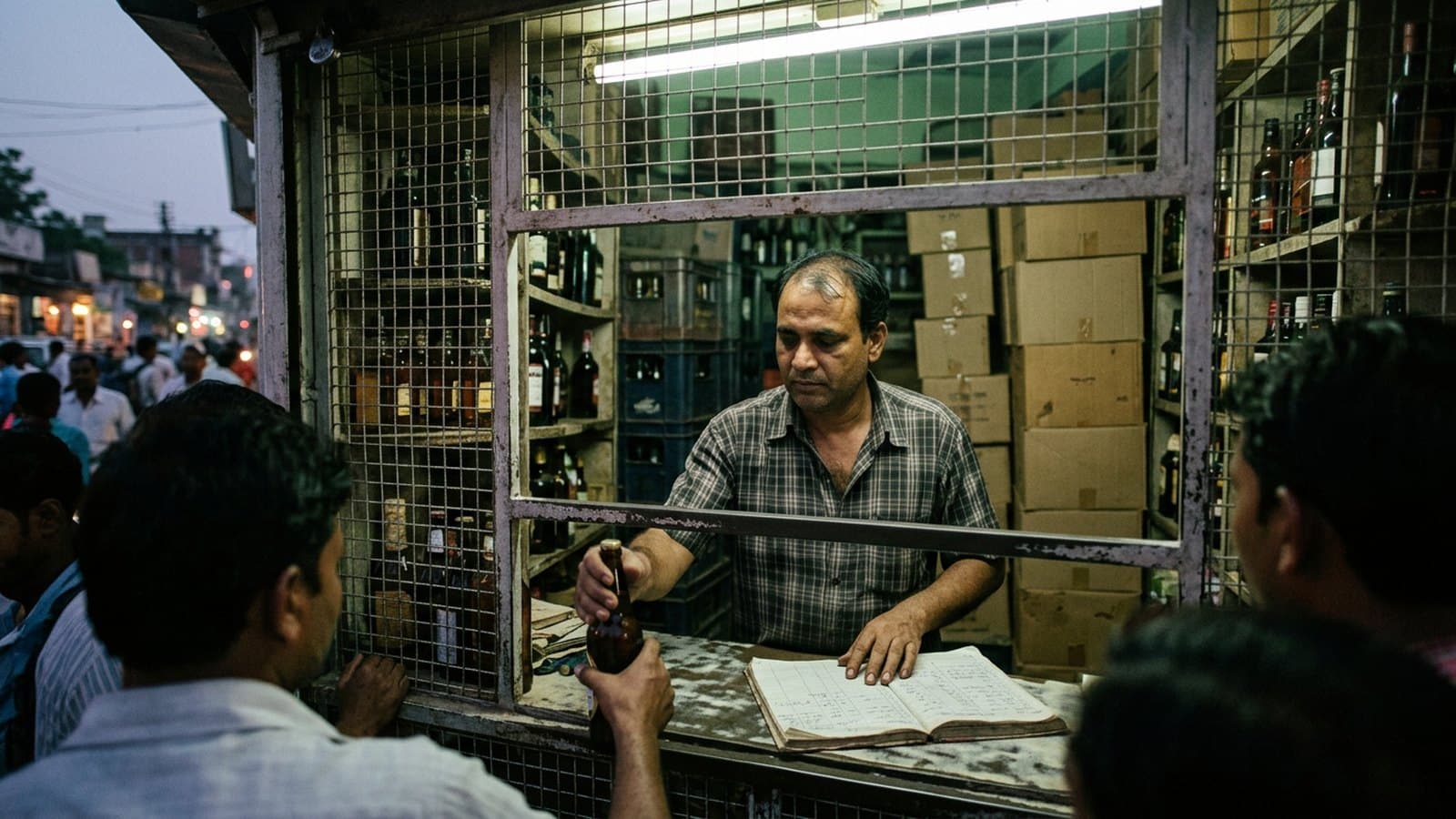
A composite shop in Uttar Pradesh is one licensed shop that sells foreign liquor, beer and wine together. Before the 2025-26 excise policy, beer and foreign liquor were sold from separate shops. The policy merged them into one unit, and that is what people mean by a UP composite wine shop.
If you already run a UP composite shop, you know the other side of this. One counter now does the work of two shops. It has fast beer, slow premium IMFL, four registers and one rush hour. This guide is about running that counter day to day.
It is written for owners, managers and accountants. It covers what the shop may sell, how the daily registers stay right, how stock stays straight, how to survive the evening rush and how to close the month. If your paperwork still depends on a notebook and memory, composite shop software is the fix that removes the errors at the source. First, the basics.
What a composite shop means in UP
The composite wine shop meaning is simple. It is a single shop licence that replaces the old separate beer shop and foreign liquor shop. Reports on the 2025-26 policy say these shops need at least 400 square feet and must meet other conditions.
A composite shop can also be upgraded to a model shop, which may serve liquor on the premises. That needs an extra fee, and the conditions are in the policy.
Country liquor is a different shop type. Reports say some country liquor shops may sell beer under conditions, but that does not make them composite shops. The 2026-27 policy, as reported, carries the composite model forward and raises the minimum guaranteed revenue for these shops by 7.5%.
Policy text changes every year, and news reports miss details. For the exact products your licence allows and the licence form it sits under, ask your District Excise Officer. Keep the licence copy at the counter.
The registers a composite shop keeps every day
A composite shop in UP keeps its daily account by category. There are four lines to get right.
IMFL. This holds all spirits. Foreign liquor sits inside IMFL in UP, not in a register of its own.
Wine. This has its own register.
Beer 5%.
Beer 8%.
The daily working sheet behind these is the parcha. At the end of each day, the opening stock, purchases, sales and closing stock of each category must agree with the shelf.
A common mistake is a wrong category line. A beer goes on the IMFL line, or a wine on the beer line, and the error sits quietly for weeks. When the inspector counts the shelf, the category totals do not match.
A simple habit helps. At closing, count one fast beer, one fast IMFL and one wine against the register. If all three match, the day is probably clean. If one is off, find it tonight, not at month end.
Keeping stock straight when beer moves fast and IMFL moves slow
Beer and IMFL behave very differently at the same counter. Beer sells in cartons through the week and spikes before weekends and weddings. Premium IMFL sells a few bottles a day, and some of it sits for months.
This causes two problems.
Beer runs out on the busiest evening because nobody saw the count falling.
Slow IMFL piles up and ties money in the shelf. Dead stock is any item with stock on hand and no sale in the period.
Fix this with a short weekly routine. Look at the last seven days of sales. Divide the stock on hand by the daily sales to see how many days it will last. Reorder anything under seven days. Anything under three days is urgent. Pull anything with zero sales into a list for the owner.
Pack size is the other trap. A 375 ml bottle entered against the 180 ml line shows up in the register as a gap that nobody can explain. Check pack size every time a purchase is entered.
For the purchase side, UP shops scan the QR on the supplier invoice to bring stock in. Scan before you shelve, so what is in the system is what is on the rack.
The 6 to 10 pm rush, with one hand for the bottle and one for the money
A large share of the day's sales lands in these four hours. In that window the person at the counter has two hands. One holds the bottle. The other takes cash or a phone payment.
Anything that stops them to write is a loss. A beer sold and not written down at 8 pm becomes a mismatch at closing. So the rule is to enter nothing by hand in the rush.
Scan the barcode, take the money, hand over the bottle. Do the OASYS scan in the same move.
Keep fast beers and common IMFL packs together, so the hand does not search.
Keep a second person on the cash drawer if the line is long.
Do not allow discounts or cancellations without the owner's say. The rush is when these are hardest to see.
Do the register work after closing, from the bills, not from memory.
Every UP retailer also scans the QR on each bottle sold on the OASYS device. In the rush this is one more thing for the same two hands. Ask your District Excise Officer what scan level the department expects from your shop, and plan the counter so that scanning is not the step staff skip.
Closing the month without a scramble
The month closes with the monthly stock report, the MST. It compares what came in, what was sold and what is left. If the daily registers were right, the MST is a few minutes of work. If they were not, it becomes a night of searching for gaps.
A clean month-end has four steps.
Count physical stock for each category on the last day.
Compare the count with the closing stock in the registers.
Fix every difference with a reason. A missed bill, a wrong pack size and a damaged bottle are all different reasons.
File the report and keep a copy.
The less you reconstruct at month end, the less you guess. Our page on MST software for UP shops explains what the report needs.
How BottleShop fits a composite counter
BottleShop is built for liquor shops, not a general shop with liquor bolted on. Billing is the register. Every bill you make updates stock and builds the daily category-wise registers for IMFL, wine, beer 5% and beer 8%. The same billing data gives you the figures the monthly stock report needs.
Billing runs in under one second, which matters at 8 pm. The shop keeps billing with no internet and syncs when it returns. It runs on an Android tablet.
Plans start at Rs. 25,000 a year, about Rs. 70 a day. The Essential plan is where a single counter starts. It covers billing, purchase entry, inventory, cash drawer and the daily, business and compliance reports. If you are not always at the counter, the Business plan adds approvals on your phone for discounts, cancellations, cash withdrawals and price changes, and it sends low-stock and stockout alerts on WhatsApp.
You can see everything on the features list. The best way to judge it is a demo on your own shop's products. Zero churn is our record.
Frequently Asked Questions
What is a UP composite shop?
It is a single licensed shop that sells foreign liquor, beer and wine together, replacing the older separate shops. Reports on the 2025-26 policy say it needs at least 400 square feet. Country liquor stays a separate shop type. Confirm what your licence allows with the District Excise Officer.
What is the composite wine shop meaning in simple words?
It means one shop, one licence and one counter for beer, wine and foreign liquor. Before the 2025-26 policy these were sold from separate shops. The word composite just says the shops were combined. Whether a particular product is allowed depends on your licence, so check with your excise office.
Which daily registers does a composite shop in UP keep?
Four category lines: IMFL, wine, beer 5% and beer 8%. Foreign liquor goes inside IMFL, not in a separate register. The parcha is the daily working sheet behind them. At the end of each day, opening stock plus purchases less sales must equal the shelf count for every line.
Can a UP composite shop become a model shop?
Yes. Reports on the policy say a composite shop that meets the conditions can be upgraded to a model shop, which may serve liquor on the premises, on payment of an extra fee. The conditions and fee are set in the policy, so ask the District Excise Officer before you plan any change.
How do I handle the evening rush at a composite counter?
Remove every manual step. Scan, take the money and hand over the bottle. Keep fast beer and common IMFL packs within reach. Put a second person on cash if the line is long. Do the register work after closing from the bills, never from memory.
What do I need for the monthly stock report?
You need accurate daily registers, a physical count of each category on the last day, and a reason for every difference. If billing builds the registers, the stock report data comes from the same bills. See what the MST needs on our UP page, and confirm filing dates with your excise office.
Last updated: 3 November 2026