How to Get a Liquor Store License in India (Process, Cost, and Retail Formats Explained)
Published By: Jatin Monga (CEO) on 13 Apr 2026
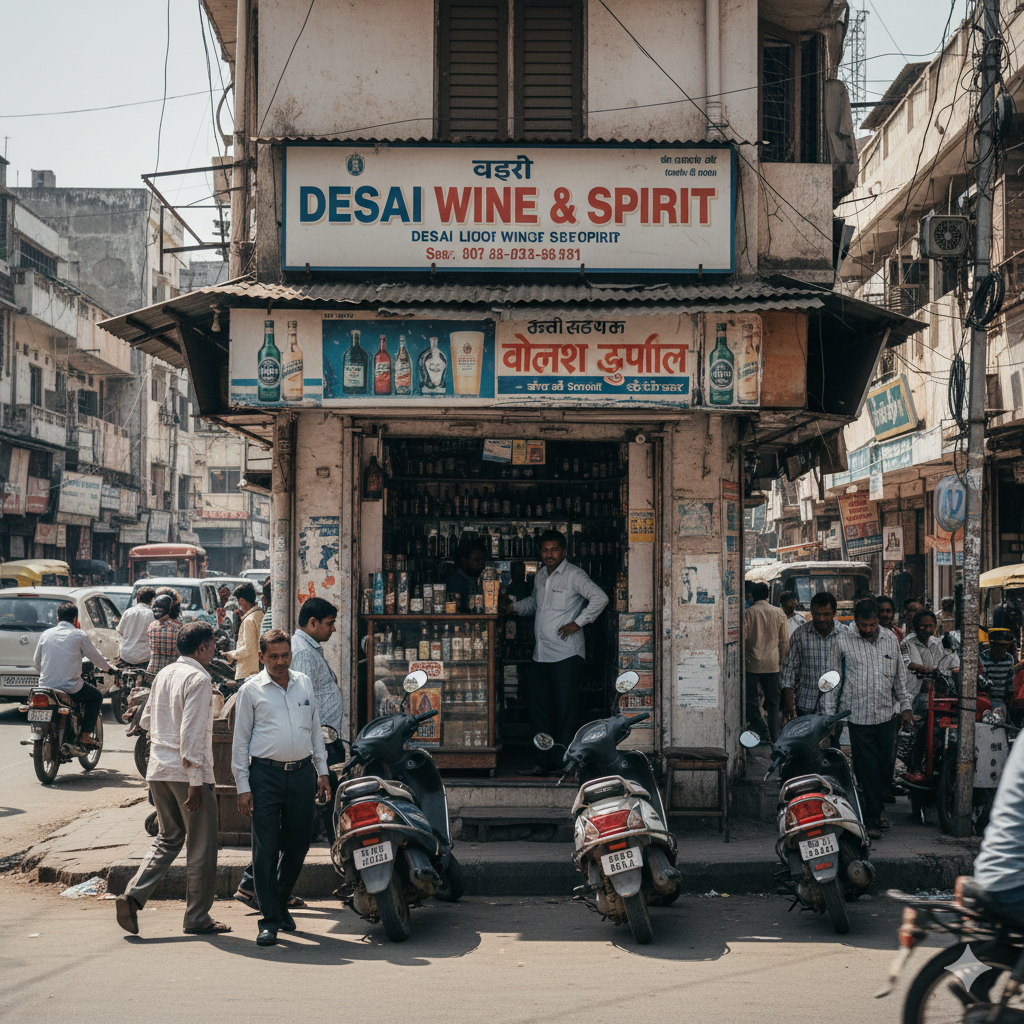
If you’re planning to open a liquor store in India, the first legal step is getting a retail liquor license.
Liquor licensing in India is governed by state excise departments, which means the rules, formats, fees, and timelines vary from state to state. A license in Delhi works differently from one in Haryana. A setup in Goa follows a different structure from Maharashtra or Karnataka.
This guide explains the full process clearly so you know what to expect.
Who Issues Liquor Store Licenses in India?
Liquor falls under State Excise jurisdiction.
That means your state decides:
- How many liquor retail stores can operate
- What retail formats are allowed
- Where shops can be located
- How much licenses cost
- How renewals work
- What compliance rules apply
There is no single national liquor license.
Types of Liquor Retail Store Formats in India
Liquor retail is not one-size-fits-all. The format you choose affects your license category, investment, compliance, and earning potential.
1. Counter Shops (Basic Retail Format)
This is the most common format across India.
How it works:
- Customers stand at the counter
- Staff fetches the bottle
- No browsing
- Fast transactions
Best for:
- Semi-urban markets
- Budget-focused zones
- High-footfall locations
Business model: Volume-driven. Low experience, fast movement.
2. Walk-In Retail Liquor Stores
This is the modern urban format.
How it works:
- Customers enter the store
- Browse shelves
- Compare brands
- Self-select bottles
Best for:
- Residential neighborhoods
- Urban areas
- Mixed-income customers
Business model: Higher average bill value and better brand discovery.
3. Model Shops (Government-Defined Premium Retail)
Some states formally define a “Model Shop” category.
Typical features:
- Larger store area
- Better interiors
- Zoning by category (beer, whisky, wine)
- Wider product assortment
- Stricter layout guidelines
Best for:
- Metro cities
- Brand-conscious customers
- Premium consumption zones
Business model: Lower volume than counter shops, but higher per-bill value.
4. Premium Retail Liquor Stores (Gurugram-Style Format)
These are experience-driven liquor stores.
Common in:
- Gurugram
- South Delhi
- Mumbai premium zones
- Goa tourist belts
Typical features:
- Clean, modern interiors
- Imported brands
- Curated selections
- Educated staff
- Strong merchandising
Business model: High-value SKUs, loyalty-driven sales, gifting demand.
Why Store Format Matters for Licensing
Your store format influences:
- Which license category you qualify for
- Where you can open
- How much the license will cost
- What layout rules apply
- What kind of customers you attract
You don’t choose the format after the license. You choose the format before applying.
Step-by-Step: How to Get a Retail Liquor License in India
Each state has its own exact process, but most follow this structure.
Step 1: Track excise announcements
Retail licenses are usually released through:
- Auctions
- Tenders
- Zone-wise allotments
- Annual excise policy notifications
Applications are not open year-round in most states.
Step 2: Check eligibility
Most states require:
- Minimum age
- Clean legal record
- No past excise violations
- Financial eligibility
Step 3: Location clearance
Location approval is a major gate.
Typical restrictions:
- Distance from schools
- Distance from religious places
- Distance from hospitals
- Highway proximity (in some states)
Many applications fail here.
Step 4: Document submission
You’ll typically need:
- Identity proofs
- Address proofs
- Photographs
- Lease or ownership papers
- Store layout plan
- Affidavits
- Bank statements
Step 5: Fee payment and deposits
This usually includes:
- Annual license fee
- Security deposits
- Local charges
Step 6: Inspection and activation
Authorities may inspect:
- Store layout
- Storage
- Compliance readiness
After approval, your license becomes active.
Liquor License Cost in India (Retail Stores)
Costs vary by state, city, and store format.
Typical working ranges:
Small towns: ₹5–15 lakh per year Mid-size cities: ₹15–40 lakh per year Prime urban zones: ₹40 lakh to ₹1+ crore per year
This does not include:
- Interiors
- Equipment
- Initial inventory
- Rent
- Staff
- Operations
How Long Does It Take?
Planning window:
- 6–12 weeks in straightforward cases
- Longer if zoning or inspections take time
Renewal: Do You Need to Renew Every Year?
Yes. Most retail liquor licenses are time-bound.
Renewal usually depends on:
- Clean compliance history
- No major violations
- Timely fee payment
- State policy for that year
What Happens After You Get the License
A license gives you legal permission to operate.
It does not guarantee profitability.
Most retail losses happen after opening, due to:
- Stock mismatches
- Dead inventory
- Manual billing errors
- Missed purchase entries
- Bestseller stockouts
- Poor visibility
This is where operations decide success.
BottleShop View: Licensing Is About Compliance, Not Just Approval
Getting a liquor store license is not a one-time event. It is the start of a long compliance journey.
Once your store is operational, you’re expected to maintain:
- Clean purchase records
- Accurate stock registers
- Bill-to-stock matching
- Renewal readiness
- Audit-friendly documentation
- Location and format compliance
Most problems don’t happen at the time of license approval. They happen months later—during renewals, inspections, or audits—when records don’t match reality.
This is why serious liquor retailers move away from manual registers and scattered Excel files. They use liquor store management software to keep everything clean, traceable, and ready.
A good liquor retail system ensures:
- Every purchase is recorded properly
- Every bottle is accounted for
- Stock reports are always updated
- Compliance data is easy to access
- Renewals don’t become last-minute chaos
BottleShop is built specifically for Indian liquor retailers to handle this complexity without adding more work.
If you’re searching for the best liquor retail software or software for liquor stores, what you’re really looking for is not automation—it’s peace of mind.
Quick Answers
Can I open a liquor shop from home?
Usually not. Zoning and commercial rules apply.
Can I apply online?
Some states start online, but final approvals often involve physical verification.
Can I apply anytime?
Many states only open licensing during specific windows.
Do I need software from day one?
If you want control and clarity, yes. Most profitable stores do use BottleShop as their best software for liquor stores.